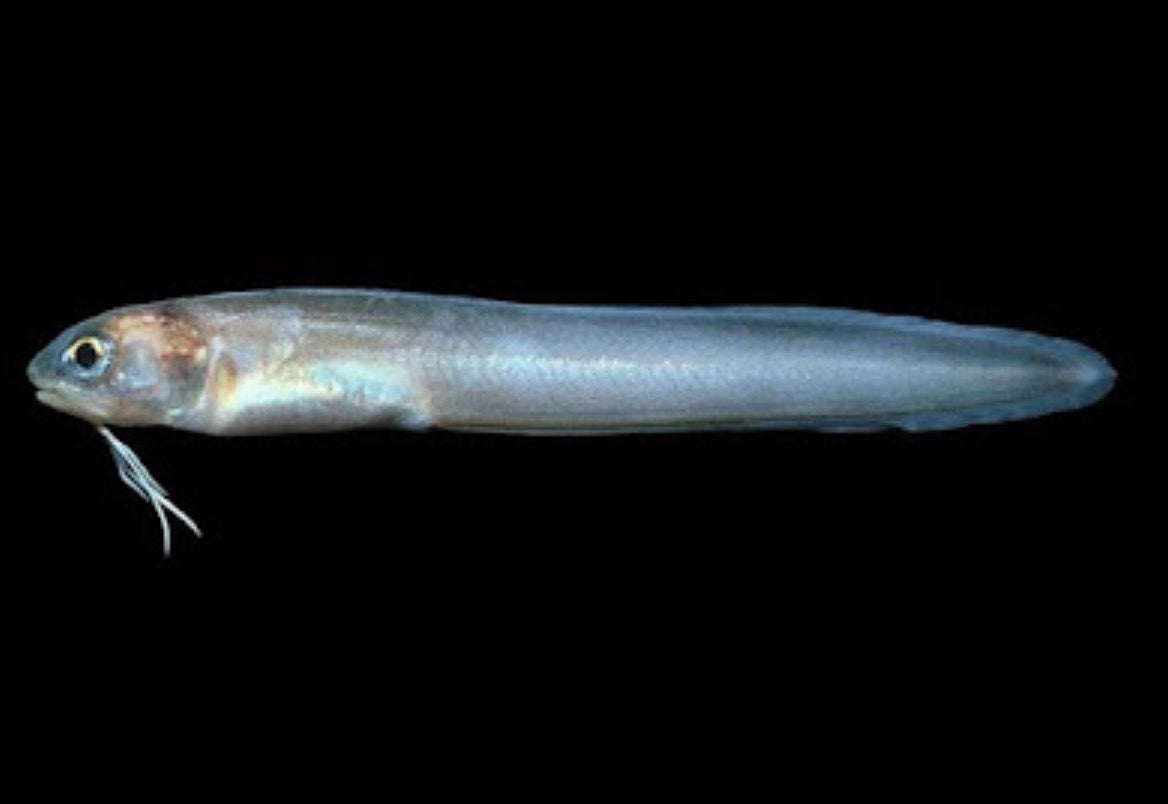
Bearded Cusk Eel
Bearded Cusk Eel
**Bearded Cusk Eel (Brotula multibarbata)**
Dive into the intriguing world of marine aquatics with the Bearded Cusk Eel, a unique and captivating addition to any advanced reef aquarium. Known for its elongated body and distinctive "bearded" chin barbels, this eel brings an element of mystery and elegance to your underwater landscape. Perfect for aquarists seeking to add interest and complexity to their tanks, the Bearded Cusk Eel is a fascinating species that will surely pique the curiosity of your guests.
**Care Requirements:**
To ensure a thriving environment for your Bearded Cusk Eel, maintaining optimal water conditions is crucial. They thrive in well-established tanks with stable parameters:
- **Care Level:** Intermediate to Advanced
- **Temperament:** Shy but generally peaceful
- **Minimum Tank Size:** 75+ gallons
- **Water Temperature:** 72-78°F
- **pH Level:** 8.1-8.4
- **Salinity:** 1.020-1.025
**Feeding & Diet:**
Bearded Cusk Eels are carnivores with a penchant for nocturnal hunting. Offer a varied diet of high-quality, meaty foods such as small fish, shrimp, and crustaceans. Consider feeding them at night or in low-light conditions to mimic their natural hunting behaviors and ensure they receive adequate nutrition.
**Compatibility & Tank Mates:**
The Bearded Cusk Eel is generally reef-safe and can coexist peacefully with various tank inhabitants. However, due to its size and predatory nature, it's best to avoid housing it with very small fish or crustaceans that might be considered prey. Ideal tank mates include larger fish species and other similarly-sized eels.
**Aquarium Setup:**
Create a habitat that mirrors their natural environment by providing ample hiding spaces with live rock formations and caves. These eels prefer a dimly lit tank with subdued lighting to mimic their deep-sea origins, promoting their natural behaviors and reducing stress.
Introduce the Bearded Cusk Eel to your reef aquarium today and watch as it becomes a captivating focal point of your marine ecosystem. Its unique appearance and intriguing habits are bound to enhance the diversity and beauty of your underwater world.
Feeding & Diet
Feeding & Diet
An opportunistic omnivore, the Seahorse will scavenge detritus, uneaten food, and algae — making it a natural cleanup crew member. Supplement with small meaty foods like mysis shrimp or pellets 2–3x per week if natural food sources are limited.
Care & Water Parameters
Care & Water Parameters
The Seahorse thrives in stable, well-maintained reef conditions. Target parameters: temperature 72–78°F, salinity 1.025–1.026 SG, pH 8.1–8.4, and alkalinity 8–12 dKH. A mature, established tank of at least 20 gallons is recommended.
Reef & Tank Compatibility
Reef & Tank Compatibility
Generally considered reef-safe. The Seahorse coexists well with most corals and peaceful fish. Use caution with very small invertebrates or slow-moving tankmates. Provide ample rockwork and hiding spots to reduce territorial behavior.
Size & Growth
Size & Growth
Seahorses are typically shipped at 0.5–1.5 inches. They are slow-growing and generally remain small, making them well-suited for nano and mid-size reef systems.
Shipping & Live Arrival Guarantee
Shipping & Live Arrival Guarantee
All livestock ships with heat or cold packs as needed and is packaged for safe transit. We stand behind a live arrival guarantee — if your animal arrives DOA, contact us within 2 hours of delivery with a clear photo. See our full DOA policy for claim details.
Share